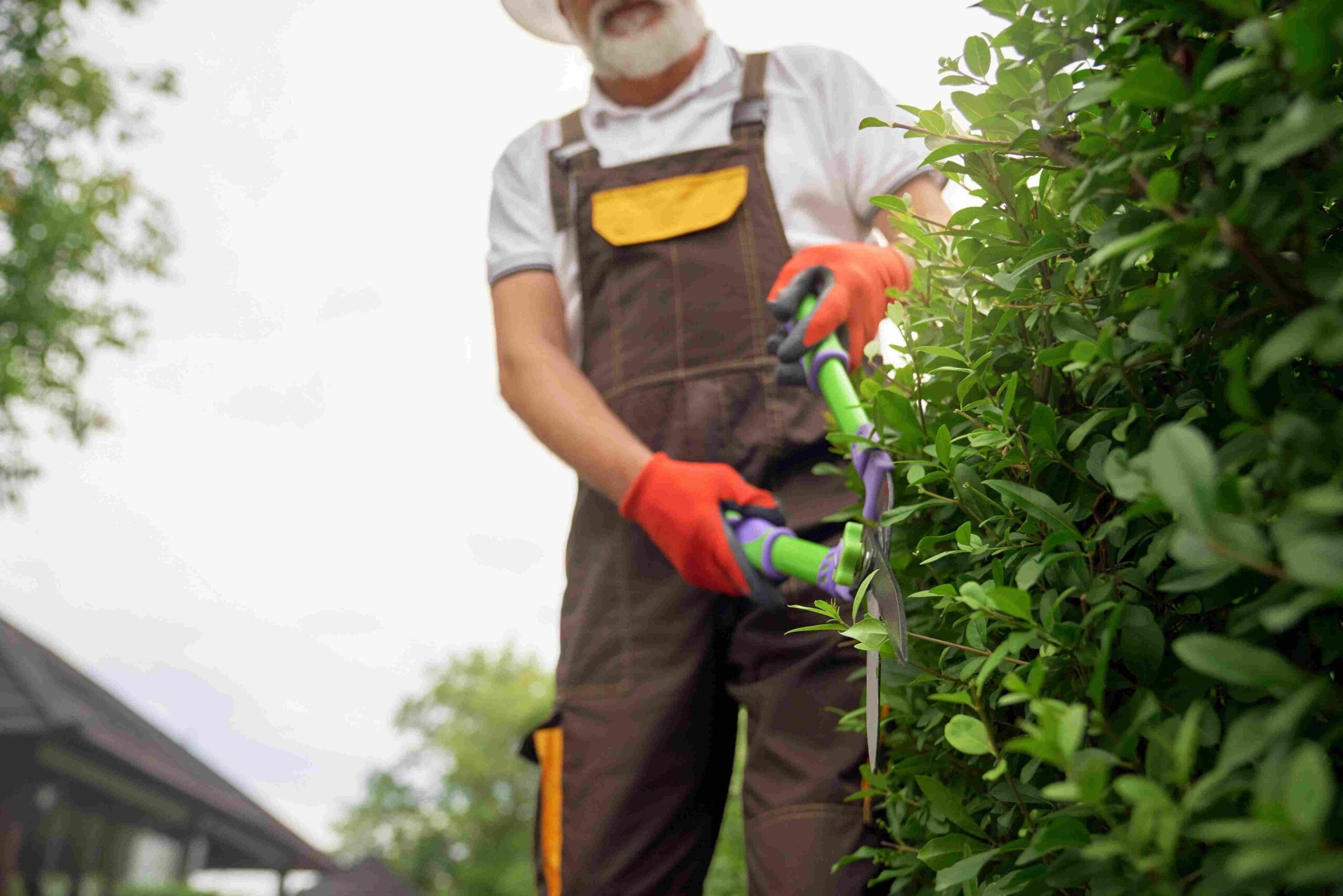
At this time of year with high winds and severe weather becoming more frequent, trees can unfortunately become hazards. Recognising a dangerous tree quickly can prevent trees from causing property damage or injuries and can even increase the chances of our tree surgeons being able to save the tree.
Our guide is designed to help you know how to recognise a dangerous tree and when you should call a tree surgeon.
Why Identifying Dangerous Trees Matters
Nobody wants to cut down trees, but unfortunately damaged, sick and decaying trees are often at high risk of falling. Tree-related accidents can cause significant damage to cars, homes and businesses. Damaged trees can suddenly fail, posing a significant hazard to health and potentially causing severe injuries.
Not only can identifying dangerous trees prevent injuries and property damage, early identification can allow our tree surgeons to potentially save the tree. In some cases, we can salvage the tree through strategic cutting to remove dangerous sections without removing the entire tree.
Signs of Dangerous Trees: What to Look For?
1. Tree Trunk Damage
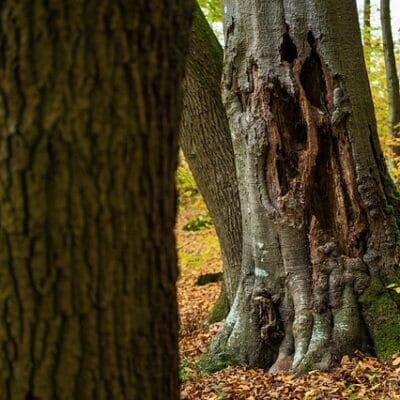
The trunk supports the entire tree structure. If the tree trunk is damaged, the whole tree is at risk of falling. Signs of tree trunk damage include:
- Deep cracks or splits in the trunk
- Tree cavities or hollow sections
- Fungal growth that could indicate disease or decay
- Bark damage in large patches can suggest pests or disease
2. Damaged Tree Roots
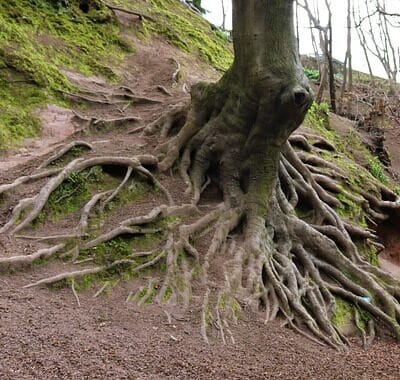
Healthy and strong roots provide stability and anchor trees to the ground. Warning signs of root damage include:
- Exposed roots showing rotting or breaks
- Soil heaving around the tree base can indicate root movement
- Mushrooms or growths can suggest disease or root rot
- Land movement such as landslides or construction can affect roots
3. Hazardous Tree Branches
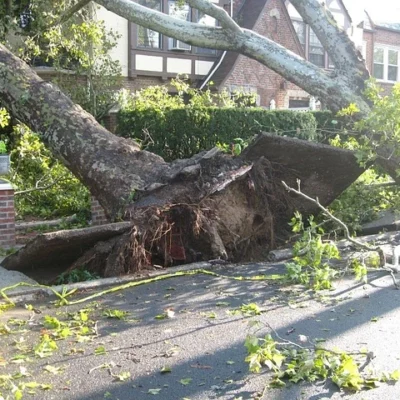
Damaged branches are a much more significant risk than trunk damage, as tree branches often overhang walkways, driveways, and homes posing a risk to both people and property. Signs of dangerous tree branches include:
- Hanging branches that are partially broken but still attached
- Branches near power lines or growing toward structures
- Sudden leaf loss can suggest disease
- Excessive deadwood throughout the tree canopy
4. Poor Tree Health
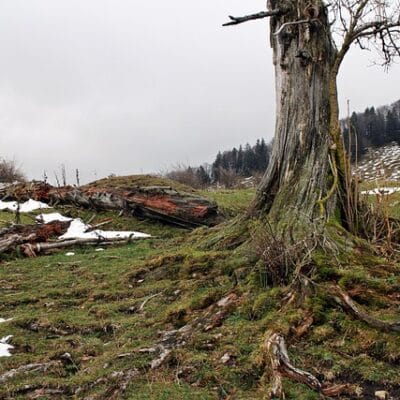
Sometimes trees may be affected by disease or pests rather than showing significant physical damage. These signs are often smaller and more difficult to notes. Signs of sick and unhealthy or dying trees include:
- Leaves falling early or discoloured foliage out of season
- Pest infestations can look like boring holes from wood-dwelling insects or visible teeth marks from other pests.
- Fungal growths can appear on the underside of leaves or on branches, roots and the trunk itself. Fungal growths can be many colours but are often white or black.
When Dangerous Trees Require Immediate Tree Surgeon Attention
If you have concerns about a potentially dangerous tree, it’s always best to call an expert. Our tree surgeon team at Highfield Tree Care can perform a professional assessment and make a decision.
Some trees may pose an immediate risk to property and to life. Contact a professional tree surgeon immediately if you see:
- Trees leaning toward buildings, power lines, or walkways
- Dead branches overhanging buildings, driveways, or footpaths
- Fresh trunk cracks or splits, especially after storms
- Sudden tree health decline
These situations require emergency tree removal services to prevent property damage or injury.
Professional Tree Risk Assessment: Why Expert Evaluation Matters
While you might be able to easily spot some obvious signs of a damaged tree, our qualified tree surgeons provide a comprehensive assessment of dangerous trees and identify the best course of action.
Professional arborists specialising in dangerous tree removal can:
- Assess structural integrity using specialised equipment and techniques
- Identify tree diseases and pest problems invisible to untrained eyes
- Evaluate root system health including underground damage assessment
- Recommend appropriate solutions from pruning to complete tree removal
- Monitor tree condition over time for developing safety issues
How to Prevent Dangerous Trees
In some situations such as storm damage, dangerous trees can be unpreventable. Other scenarios, however, can be prevented and avoided entirely with proper care for your trees.
Regular maintenance can reduce risks significantly. Protect your trees with:
- Annual tree inspections of at-risk trees, performed by our qualified arborists
- Proper pruning to remove deadwood and improve tree structure
- Soil management ensuring adequate drainage and nutrition
- Pest and disease monitoring to identify problems early
- Post-storm assessment checking for weather-related damage
Preventive tree care costs far less than emergency tree removal services and can also improve the chance of the tree remaining viable.
Common Mistakes When Dealing with Dangerous Trees
Avoid these dangerous approaches to hazardous trees:
- Never attempt DIY tree removal for large or dangerous trees – this requires professional equipment and training to protect both yourself and the tree. Our tree surgeons are fully trained to ensure their safety and are fully insured.
- Don’t ignore warning signs hoping the tree will “get better”. Tree conditions will only worsen over time, and it is safer (and usually cheaper) to deal with dangerous trees immediately.
- Avoid tree topping or improper pruning methods. This can weaken the tree structure and increase risks.
Always contact a professional arborist when dealing with a potentially hazardous tree. At Highfield Tree Care, our crew are specially trained and fully covered.
Protecting Your Property from Dangerous Trees
If you’ve got a dangerous tree in the Lancashire area, our team can help. We offer 24/7 emergency call out and we’re fully qualified and insured for your peace of mind.
With over 14 years of experience, our teams offer:
- NPTC Trained Arborists
- Fully Qualified & Insured
- Friendly Professional Service
- Competitive Prices


