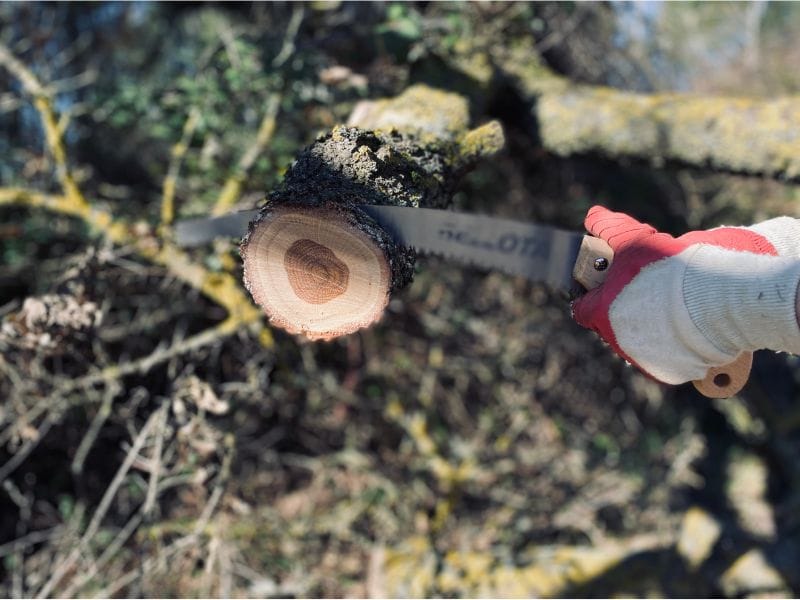
Sometimes it’s hard to tell what time of year your trees need pruning. Certain types of trees or hedges need pruning at different times of the year and trimming at the wrong time risks damaging the plant.
Why Trees Can’t be Cut Anytime
You might be wondering why it matters when you cut your trees – surely you can just cut trees at any time? But trees go through natural cycles of growth and dormancy throughout the year and pruning at the wrong time for the tree species can cause serious damage. During spring and summer, trees actively grow, producing new leaves and extending branches. In winter, trees go dormant. As a general rule, heavy structural pruning should be avoided during growth and should be saved for winter.
Different tree species have different growth cycles, meaning the best time to cut trees varies by species. In our guide, we’ll tell you what trees to cut when.
Winter Pruning: November to March
Deciduous trees lose their leaves and are dormant at this time of year, so they won’t be damaged by the pruning process and will be ready to grow back strongly in spring. Without leaves, it’s easier for our tree surgeons to see the structure of the tree, allowing us to cut branches precisely. Plus, cold weather slows down disease-causing organisms, making your trees less likely to develop infections after pruning. This makes winter the ideal time for harsh pruning work to shape and structure the tree. Since winter is the ideal time to cut trees, it’s also one of our busiest times of year, so we recommend booking your winter tree pruning with us early (around mid-summer) to avoid disappointment.
What Trees to Prune in Winter
Most of the common tree species found in the UK can be pruned in winter, including:
- Oak trees
- Ash trees
- Beech trees
- Lime trees
- Hawthorn
- Apple and pear trees (this encourages more fruit growth in summer)
Spring Pruning: Late March to May
Pruning in spring is more difficult as this is when trees are channelling enormous energy into spring growth. Heavy pruning during spring will force the tree to put that energy into healing instead, which can lead to reduced growth and will weaken the tree. Pruning at this time of year should be light trimming only to gently guide growth.
Certain tree species will benefit from spring pruning, however. Flowering trees should be pruned as soon as possible after blooming finishes as this will encourage better bud development next season – but be careful not to cut whilst blooming is still active.
What Trees to Prune in Spring
Some flowering tree species found in the UK should be pruned in spring, including:
- Cherry blossom trees (prune after flowering in late spring)
- Magnolia (prune after flowering)
- Flowering plums
Summer Pruning: June to August
Summer isn’t traditional pruning season, but some trees can still be pruned in summer. Summer pruning isn’t ideal as disease spreads more readily in warm conditions, but certain tree species, especially stone fruit trees, need to be pruned in summer to reduce the risk of developing silver leaf.
What Trees to Prune in Summer
Some common UK trees that can be pruned in summer include:
- Stone fruit trees (plums, cherries and damson, after fruit-bearing ends)
- Maple and sycamore trees
- Walnut
- Birch
- Broadleaf species such as beech and rowan (light pruning)
- Evergreens such as yew and cypress
Autumn Pruning: September to October
Early autumn is a transition period. Trees are slowing down, preparing for winter dormancy. Most trees can be gently pruned throughout autumn, regardless of species. It’s the ideal time for light maintenance and dead wood removal. However, you should avoid heavy structural pruning as new growth triggered by autumn pruning won’t have time to harden before winter, making it vulnerable to frost damage.
Autumn Tree Work
Instead of heavy pruning, autumn is perfect for light work such as:
- Removing dead, diseased, or damaged branches
- Light crown thinning
- Inspecting trees for storm damage before winter
- Planning major pruning work for the coming winter
Seasonal Wildlife and Legal Considerations for Tree Pruning
From 1st March through to 31st August, birds begin nesting across Britain. In the UK it is against the law to damage or destroy an active wild bird’s nest, eggs or chicks, wherever they are, including in private garden hedges and trees. This is a criminal offence under the Wildlife and Countryside Act 1981 and can lead to prosecution, unlimited fines and, in serious cases, imprisonment.
During nesting season, we have to be extremely careful when carrying out non‑essential work. We will always check carefully for nests before starting any job and will not cut or remove hedges or trees where active nests are present. Essential safety work (for example where branches threaten people, buildings or highways) may still be carried out, but only in a way that avoids disturbing any nests. If you have nesting birds, we will postpone non-essential work until after the birds have fledged.
The best time for routine hedge trimming and major reductions or removals is usually September to February, outside the main bird nesting season.
Beyond nesting birds, other wildlife is also covered by the protected species act:
- Bats are a legally protected species and often roost in trees year-round. They are especially vulnerable during summer when raising young.
- Dormice nest in woodlands and hedgerows, and the hazel dormouse is a protected species that has been recently reintroduced to Northern Lancashire. It’s illegal to disturb any places hazel dormice may be nesting or breeding.
- Squirrel dreys or nests are often in high trees. Red squirrels are still found in West Lancashire in areas like Formby and Merseyside. As red squirrels are a protected species, we cannot disturb dreys. Grey squirrel dreys are not protected in the same way, but we still aim not to disturb grey squirrels where possible.
As professional tree surgeons, at Highfield Tree Care, we assess wildlife presence to ensure minimal impact on wildlife. Where possible, we will not disturb wildlife.
Signs Your Tree Needs Pruning
Regardless of season, some situations require immediate attention:
- Dead or diseased branches (remove promptly any time of year)
- Branches rubbing against buildings or power lines (safety priority)
- Crossing branches that damage each other
- Storm damage creating hazards
- Overgrown canopies blocking light excessively
Safety issues always take priority over seasonal timing, though we’ll work in such a way that minimises damage caused by out of season pruning.
When to Call Professional Tree Surgeons
While homeowners can handle light pruning of small branches from ground level, professional help is essential for:
- Large trees requiring work at height
- Major structural pruning
- Trees near power lines or buildings
- Any work during nesting season requiring careful assessment
As professional arborists, we know the laws around wildlife protection and can work in a way that doesn’t endanger species or risk breaking laws. We’ve been trained to handle power tools and work at height, we’re fully insured and have the relevant certifications to make sure work is conducted safely.
Conclusion
Now you know more about tree cycles and the best time to prune trees, we hope you feel more confident in pruning your own trees in a way that won’t cause damage.
For complex tree pruning, working at height, or cutting trees during nesting season, it’s best to consult a professional. If you’re ever in doubt, our team of professional tree surgeons in Lancashire are fully qualified with over 14 years of experience. We can help you make the right decision when to prune your trees.


